Finca El Fresno
Ester Elizabeth Meza Garcia
1
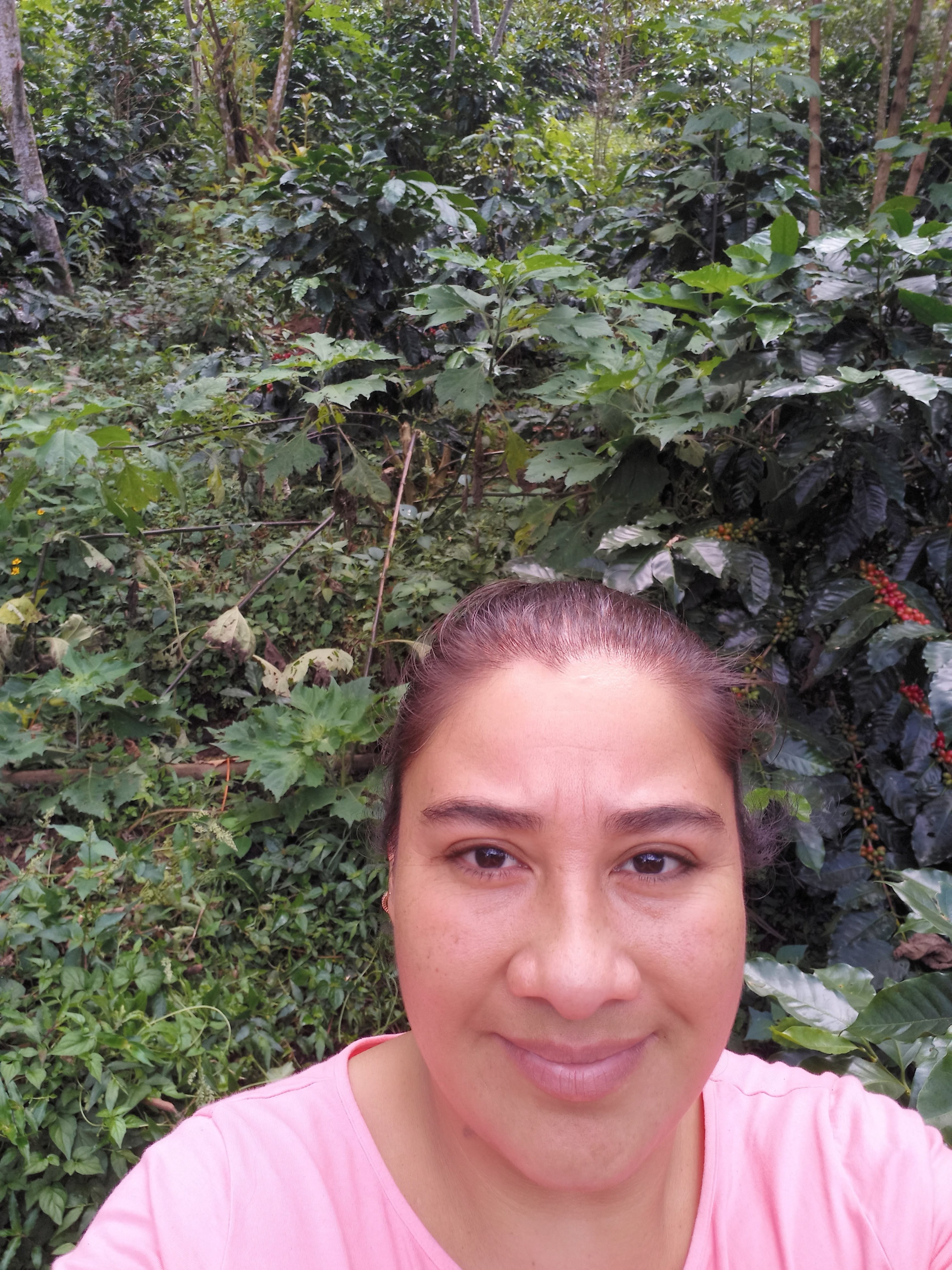
I am an indigenous woman, a coffee producer, and naturally, a
coffee drinker. I love being the one who grows and harvests the
coffee I drink every morning.
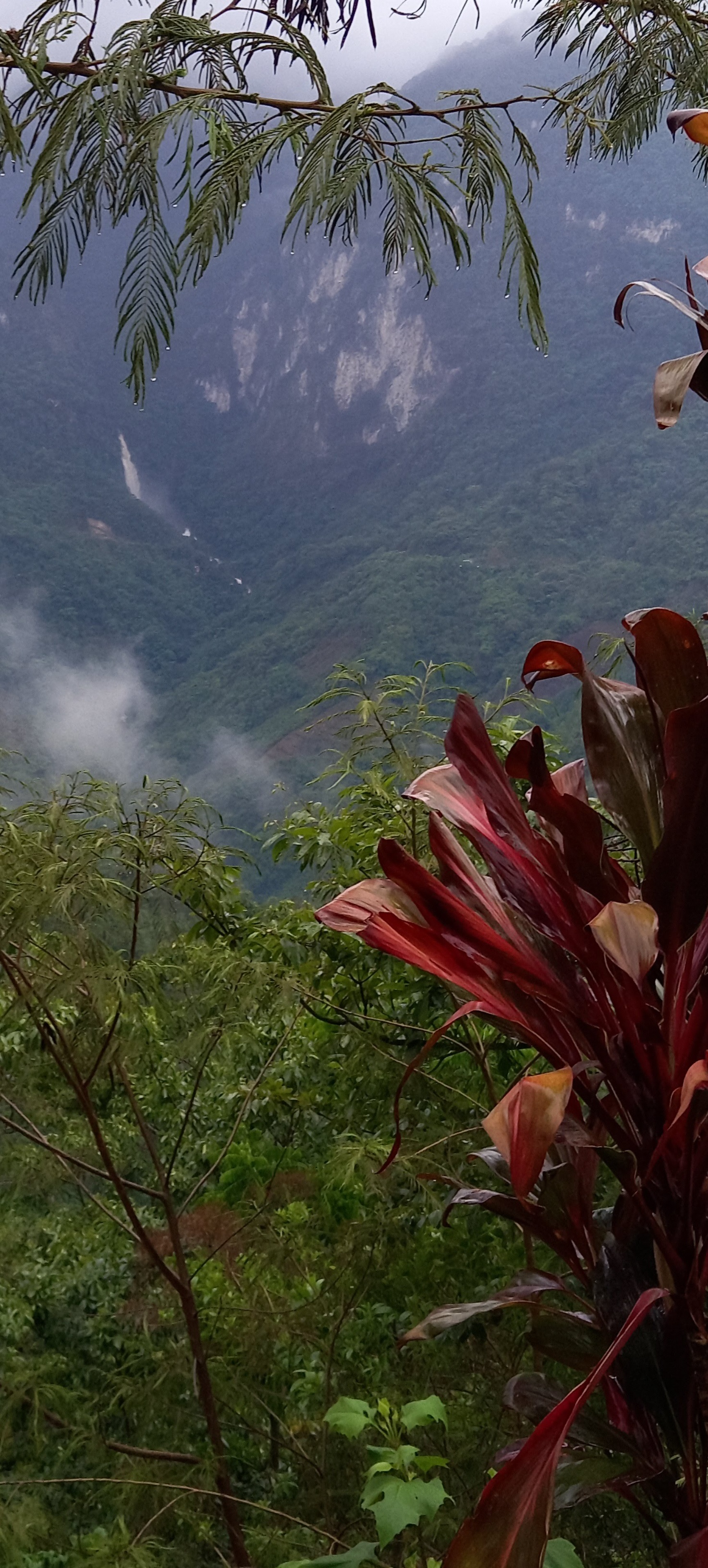
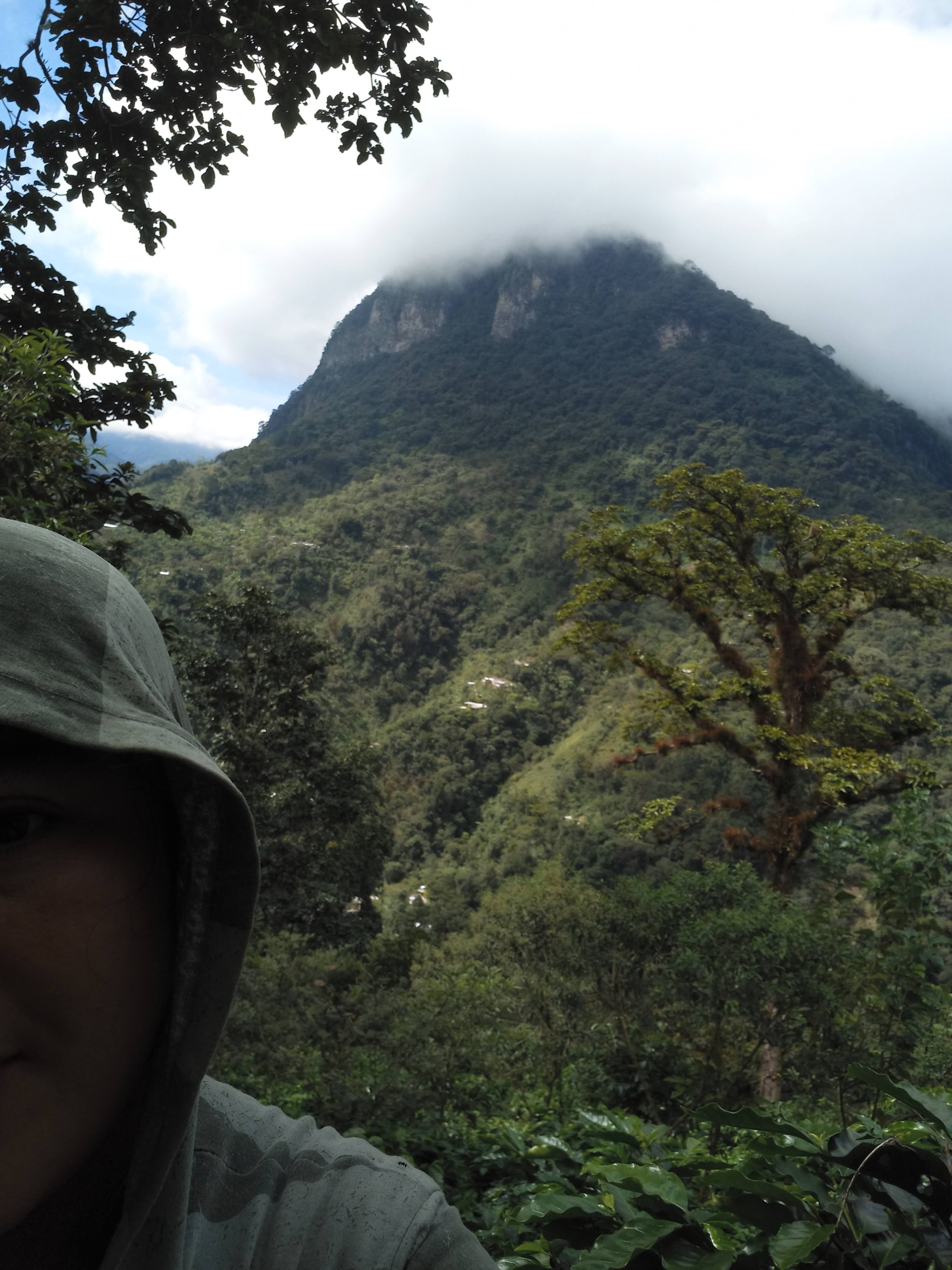
My childhood and youth were difficult due to our rural environment
and the hardships typical of the region we come from—a
mountain range of narrow trails with no access to transportation at
the time. We had no electricity, running water, or other basic
services. Fortunately, we had a primary school in our town, but by
the time we started middle school, my siblings, friends, and I had
to walk three hours just to get there. Weekends and holidays were
meant for helping in the fields and bringing food to my father at
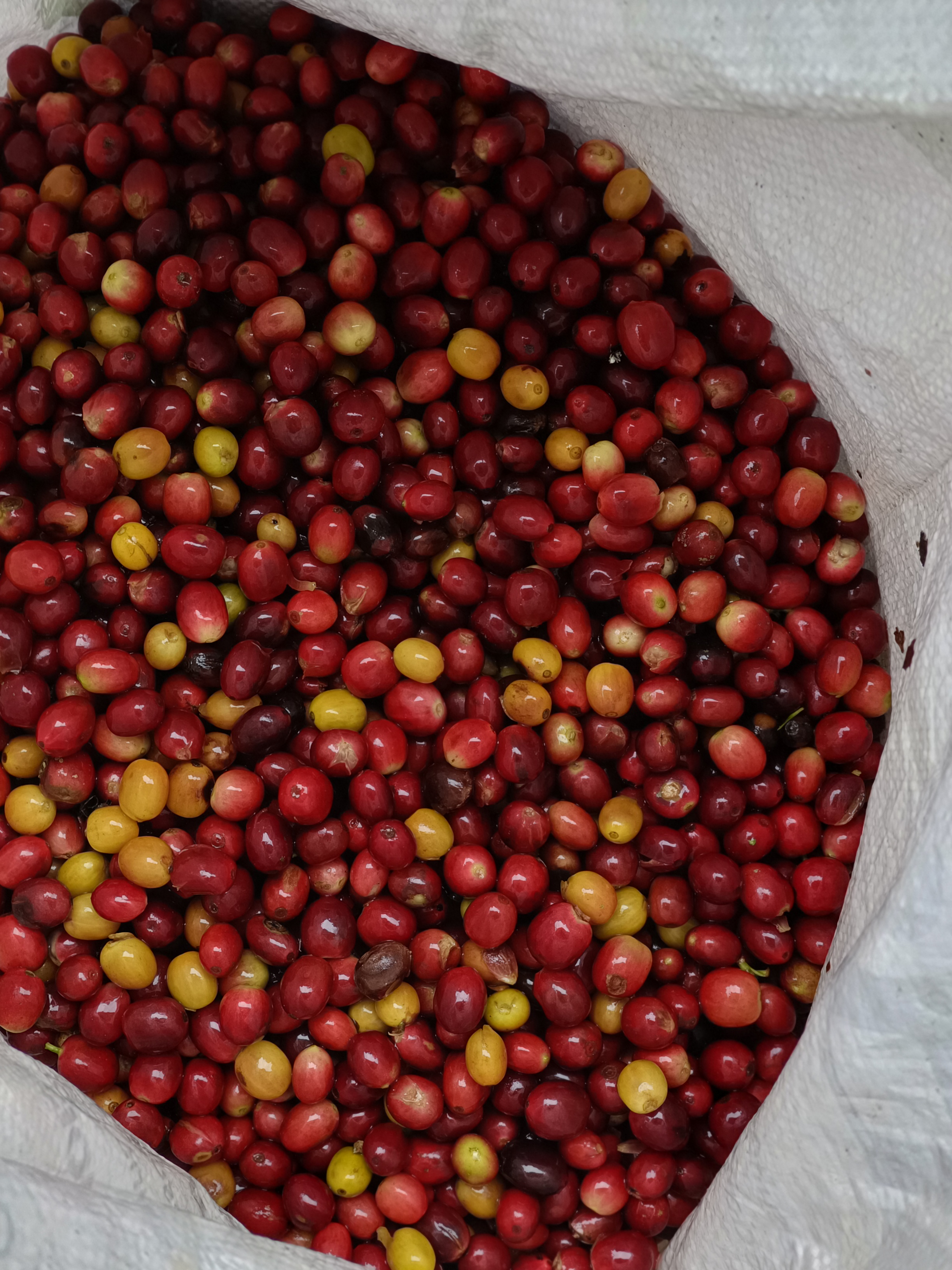
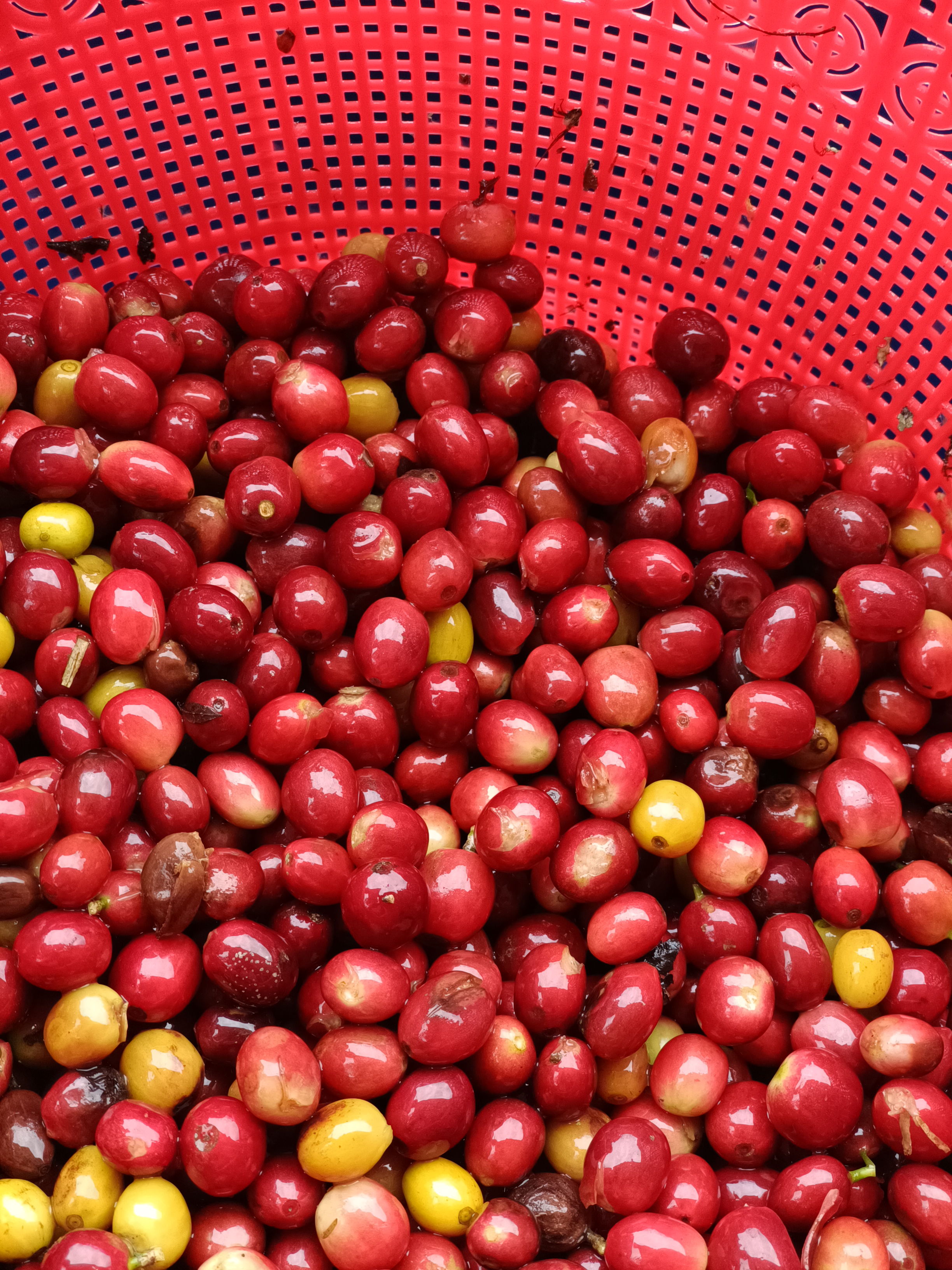
the farm. During the harvest, it meant going out to pick cherries
from early morning and not returning until very late. Eating meals
in those coffee fields was what I enjoyed most. I still remember
the shade of the trees, the birdsong, and later, the crickets
announcing that it was time to go home. I am still fortunate enough
to enjoy some of those things; the saddest part is that my father
is no longer with me.
He passed away 13 years ago, and his farm passed into my hands.
Because of this, it holds immense sentimental value, in addition to
the economic value it represents for my family today. Although the
coffee plants are not the same ones from 30 years ago, whenever I
am in those groves, I still feel my father's presence. In his
memory, my farm keeps the name he gave it: El Fresno. As a little
girl, I never asked him why he named it like that; I associate it
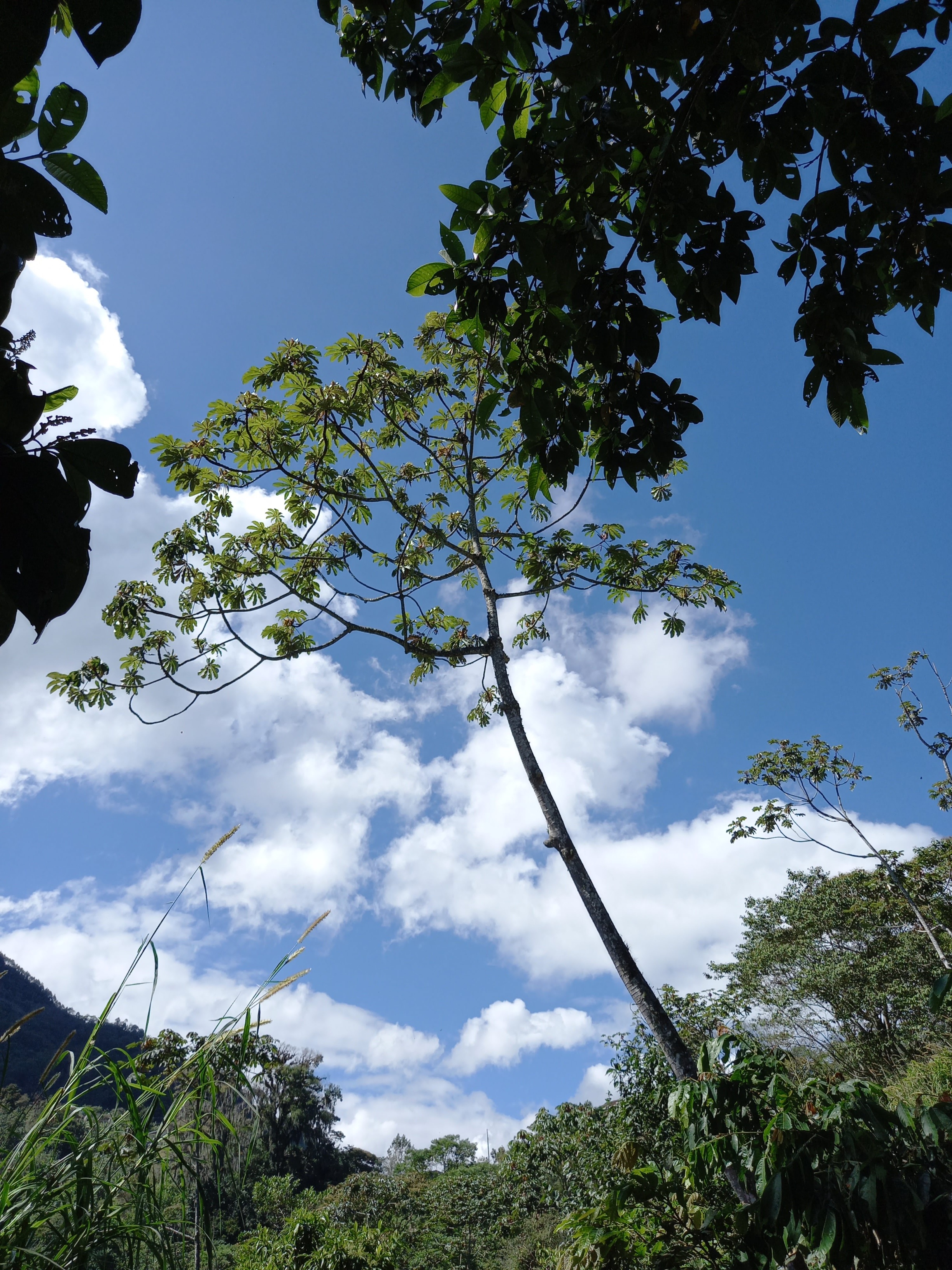
with an old ash tree that stood on the edge of the property until a
windstorm blew it down four years ago.
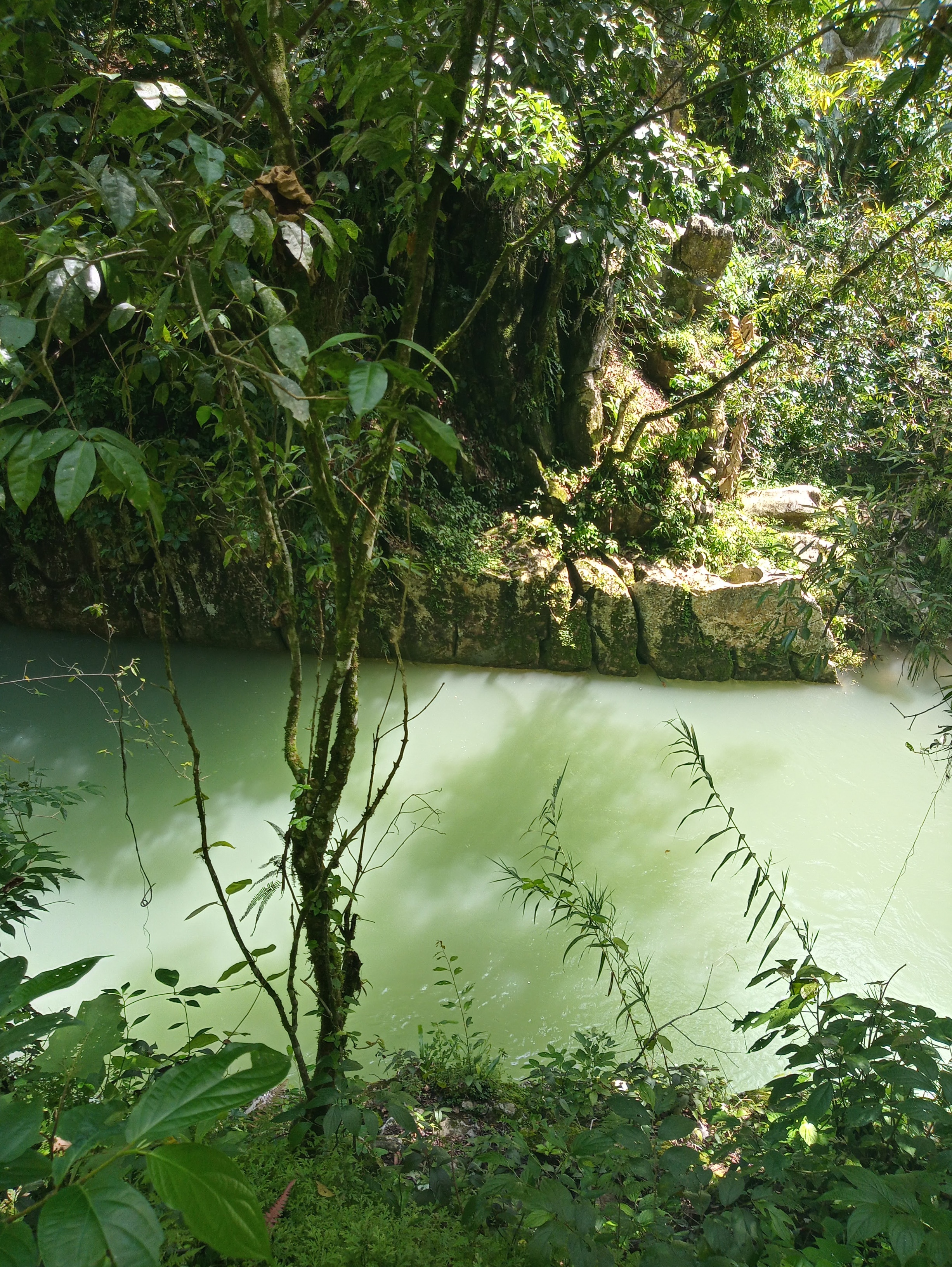
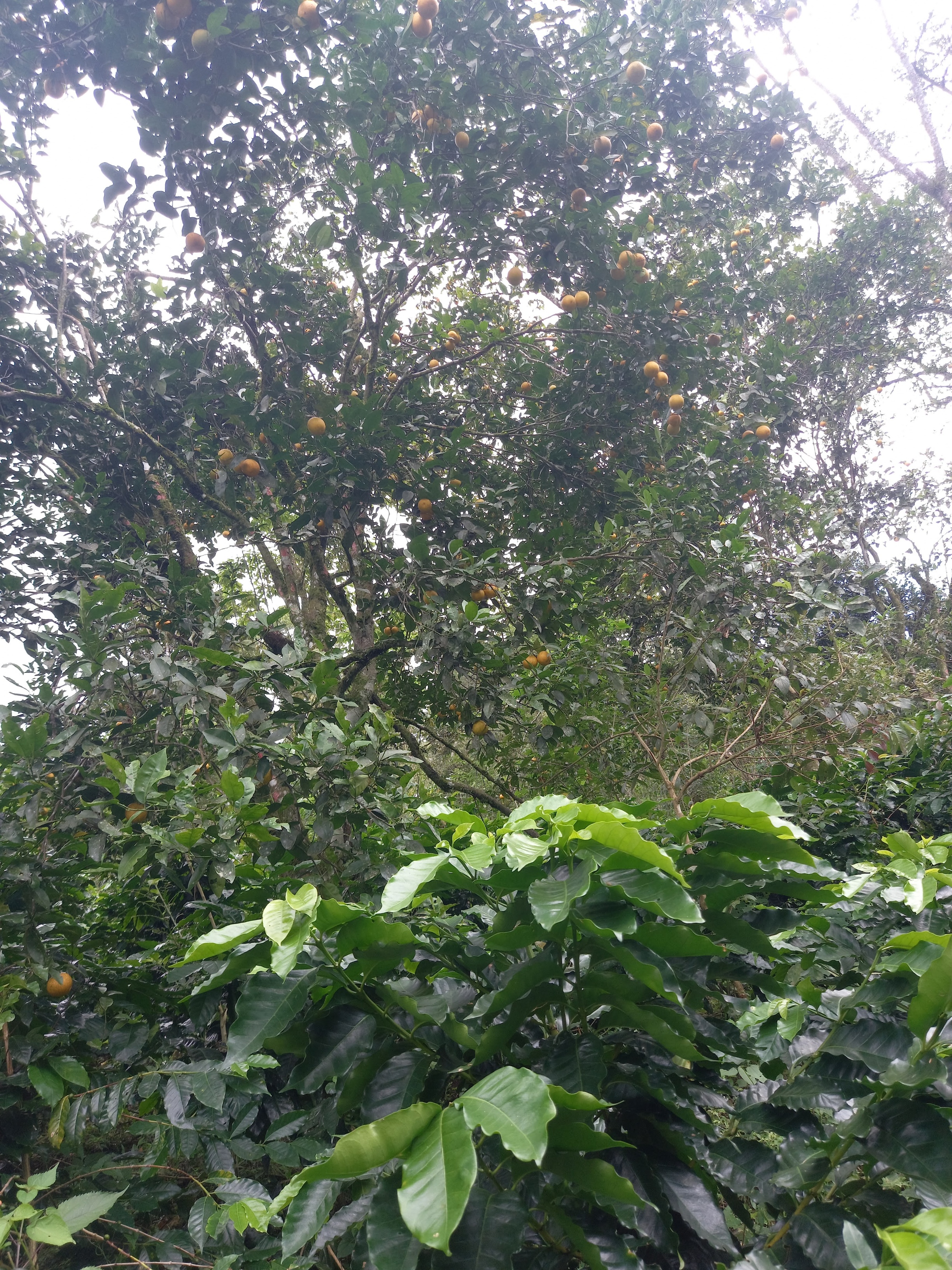
Not all of my land is planted with coffee because preserving the
habitat for the region's flora and fauna is extremely important to
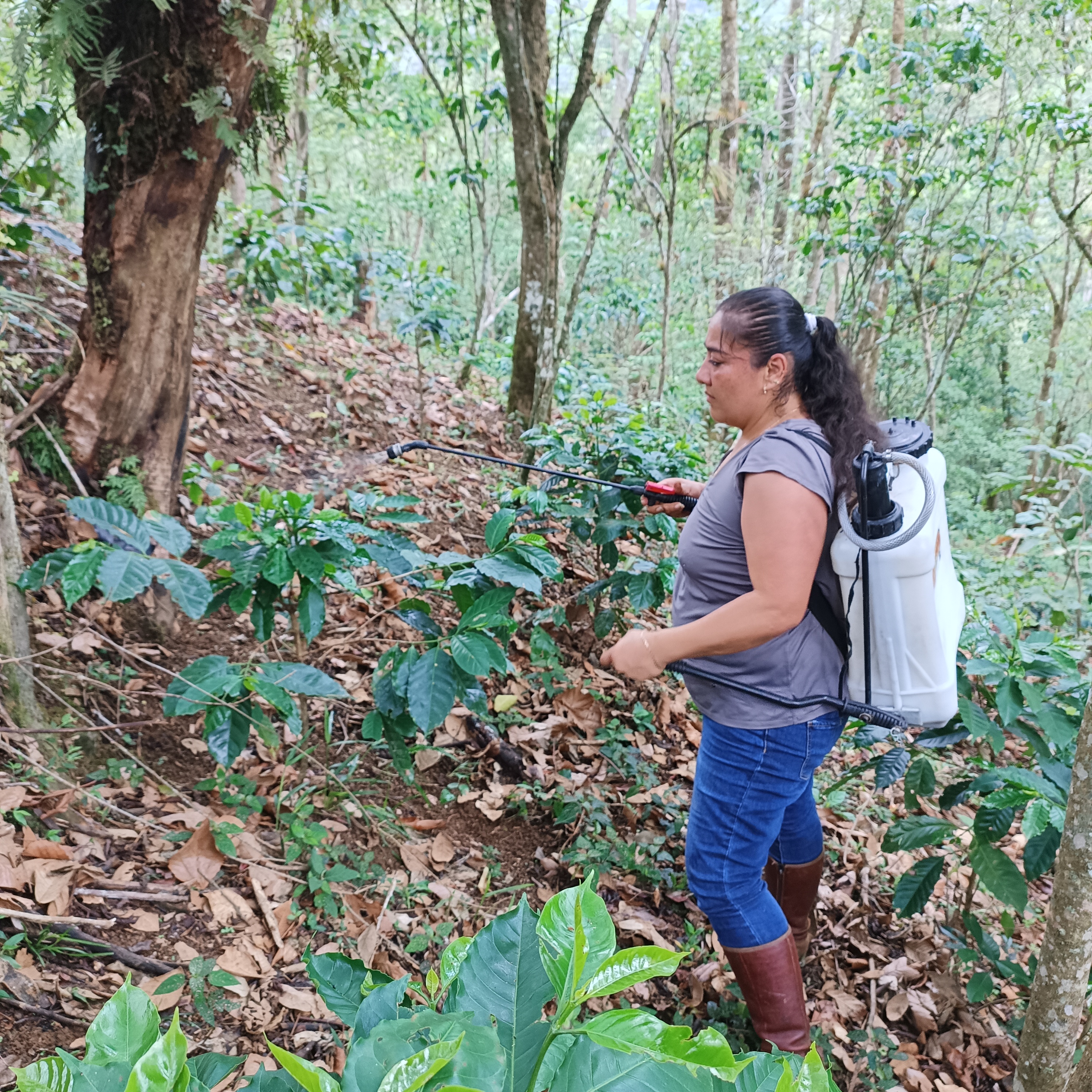
me. Native trees are conserved on farms, and I do not use synthetic
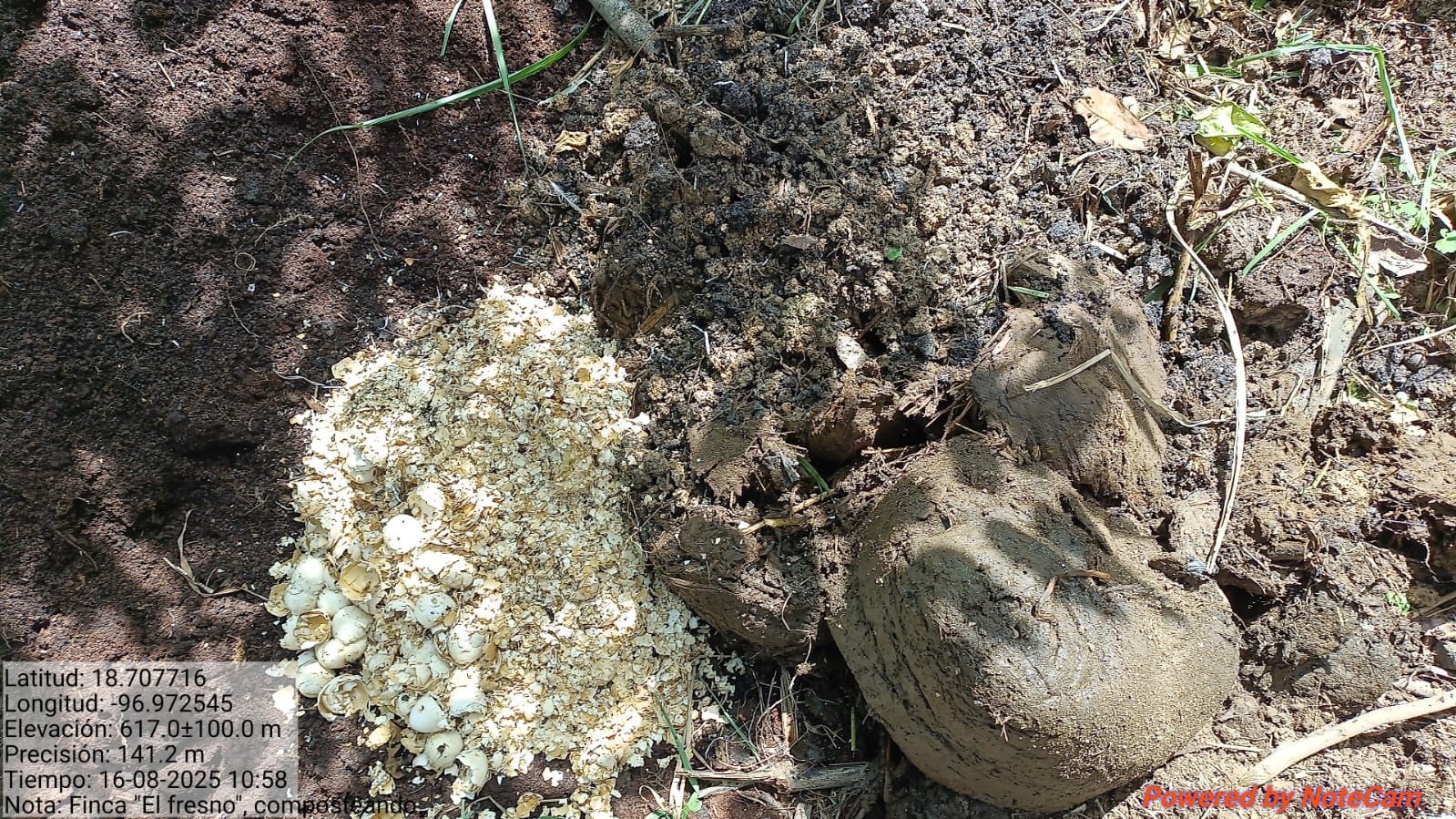
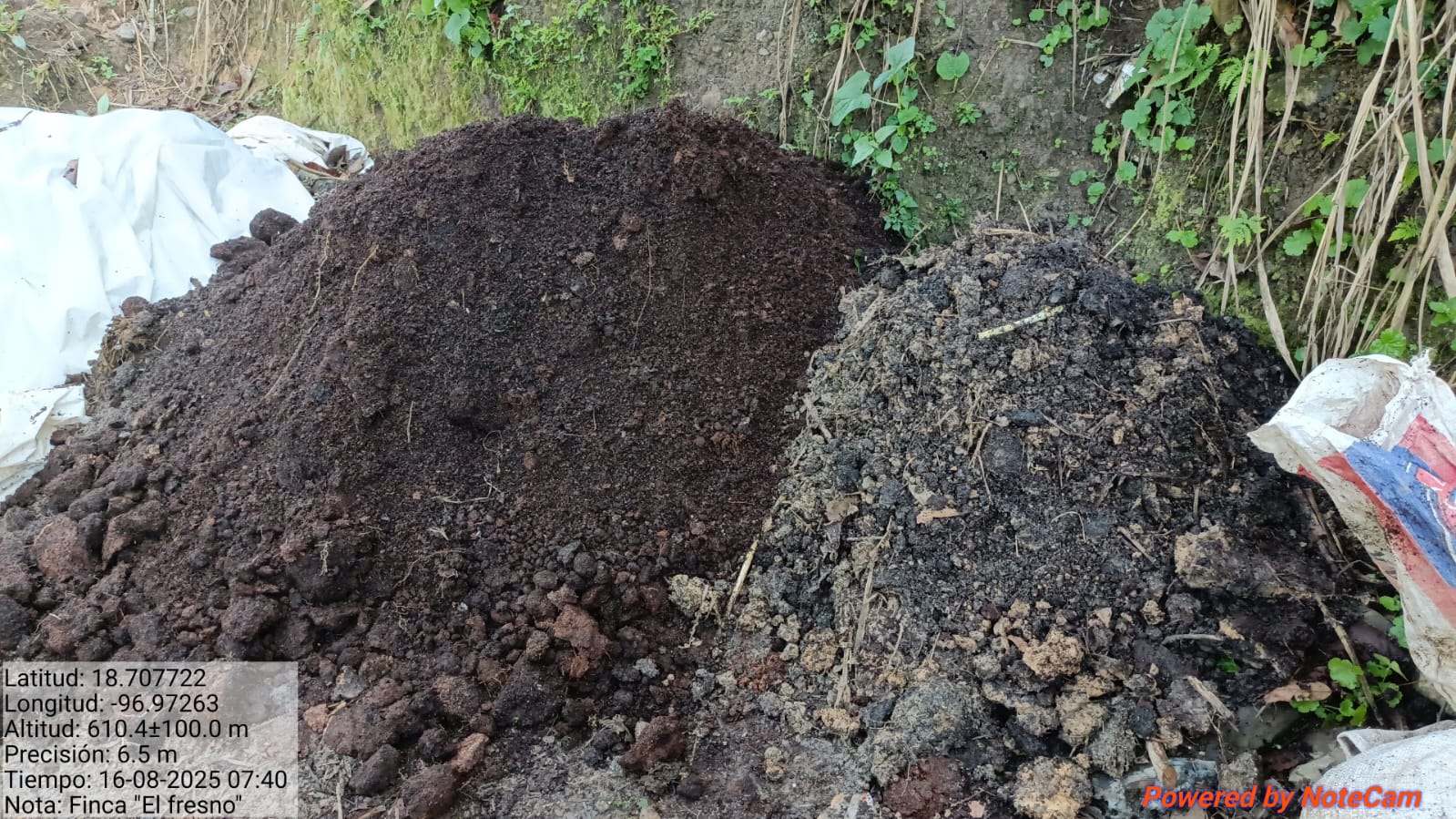
agrochemicals. I prepare my own organic inputs, and the maintenance
of my coffee farm is entirely manual. This allows me to provide
employment for the men and women in my community—together, we
clear the land, plant, and fertilize. Every harvest is an
opportunity to support many people who, like me, fight tirelessly
to survive.
The opportunity to participate in the Cup of Excellence
competition, and for this lot to reach international markets, gives
me great satisfaction and a deep sense of gratitude toward everyone
who works hard all year round to achieve this quality. All the
effort and dedication are worth it if my coffee can be rewarded for
its true value. I am grateful to the Organizing Committee for
giving an opportunity to those of us who, despite plagues, harsh
weather, and other adversities, keep moving forward, trusting in
our work, and keeping our coffee farms alive.
General Information